What Your Organic Grocery List Says About Modern Food Culture
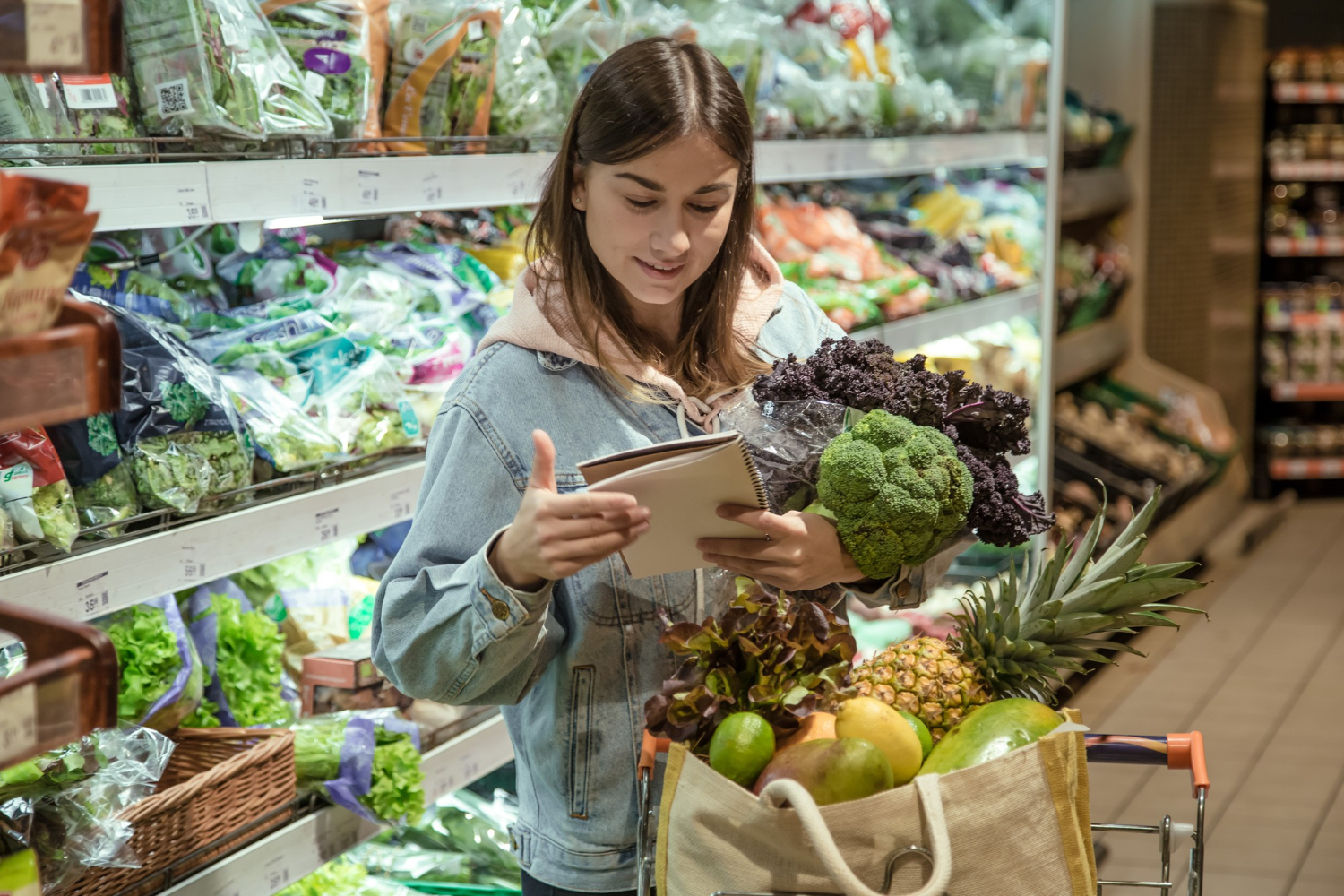
Take a look inside someone’s grocery basket, and you can learn quite a bit about what matters to them. The foods people buy reflect their budgets, lifestyles, health goals, cultural backgrounds, and even environmental concerns. Organic groceries are particularly interesting because they represent more than a preference for certain foods. From fresh produce and minimally processed snacks to organic dairy and pantry staples, today’s shopping habits reveal how modern consumers are thinking differently about what ends up on their plates.
Organic Food Has Become More Mainstream
Organic food was once a niche choice found mostly in specialty stores, but it has gradually become much more common. Supermarkets now dedicate significant shelf space to organic products, giving shoppers access to everything from vegetables and fruits to cereals, sauces, meat, and packaged snacks. The growing presence of brands such as Clasen Organic Foods shows that organic products are becoming part of a wider food market rather than something reserved for a small group of shoppers. This shift suggests that consumers increasingly want more choices when deciding what they eat.
People Want to Know Where Food Comes From
Modern shoppers are often more curious about the journey food takes before reaching their kitchens. Labels, certifications, ingredient lists, and information about farming practices can influence purchasing decisions. Someone choosing organic vegetables may not simply be thinking about dinner; they may also be considering how those vegetables were grown and produced. This interest in food origins reflects a broader desire for transparency, especially as consumers have access to more information than ever.
Health Is Influencing the Grocery Basket
Health-conscious shopping has become another major part of modern food culture. Many people are trying to eat more fruits, vegetables, whole grains, and foods with recognizable ingredients. Organic products can fit naturally into these shopping habits, although choosing organic does not automatically make a food healthier. The bigger trend is that shoppers are paying closer attention to what they put into their bodies. Reading labels and comparing ingredients has become a normal part of grocery shopping for many households.
Sustainability Matters More Than It Used To
An organic grocery list can also reflect growing environmental awareness. Some consumers consider farming methods, soil health, pesticide use, packaging, and the distance food travels before making a purchase. Not everyone makes sustainability their top priority, but environmental concerns are increasingly part of the conversation around food. Even small decisions, such as choosing seasonal produce or reducing heavily packaged products, can reflect a desire to make everyday consumption feel more responsible.
Convenience Still Has a Major Role
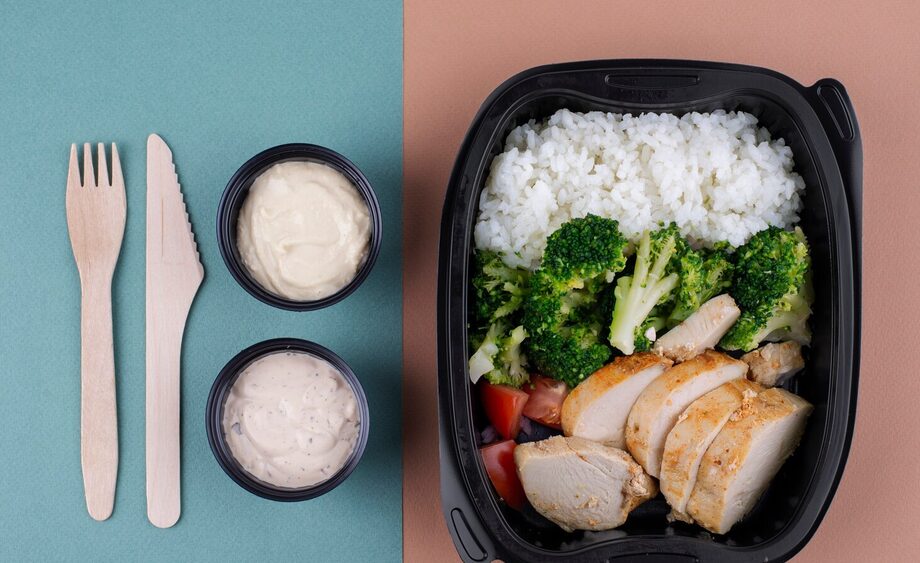
Interestingly, modern food culture is not simply about choosing the most natural or traditional option. Convenience remains incredibly important. Busy shoppers want food that fits into demanding schedules, which is why organic ready-to-eat meals, snacks, frozen foods, and easy-to-prepare ingredients have become increasingly popular. Today’s consumer is often looking for a balance between healthier choices and practical solutions. An organic grocery list can therefore tell a story about someone trying to eat thoughtfully without spending hours preparing every meal.
Food Choices Can Reflect Personal Identity
Food has also become a way for people to express who they are. Someone’s grocery cart might reflect their fitness lifestyle, environmental values, parenting choices, cultural traditions, or interest in supporting particular farming practices. Social media has amplified this trend, making everything from colorful smoothie bowls to farmers’ market produce part of lifestyle culture. Grocery shopping is no longer just about filling the refrigerator. For many people, it has become an extension of their personal values and identity.
The Modern Grocery List Is More Thoughtful
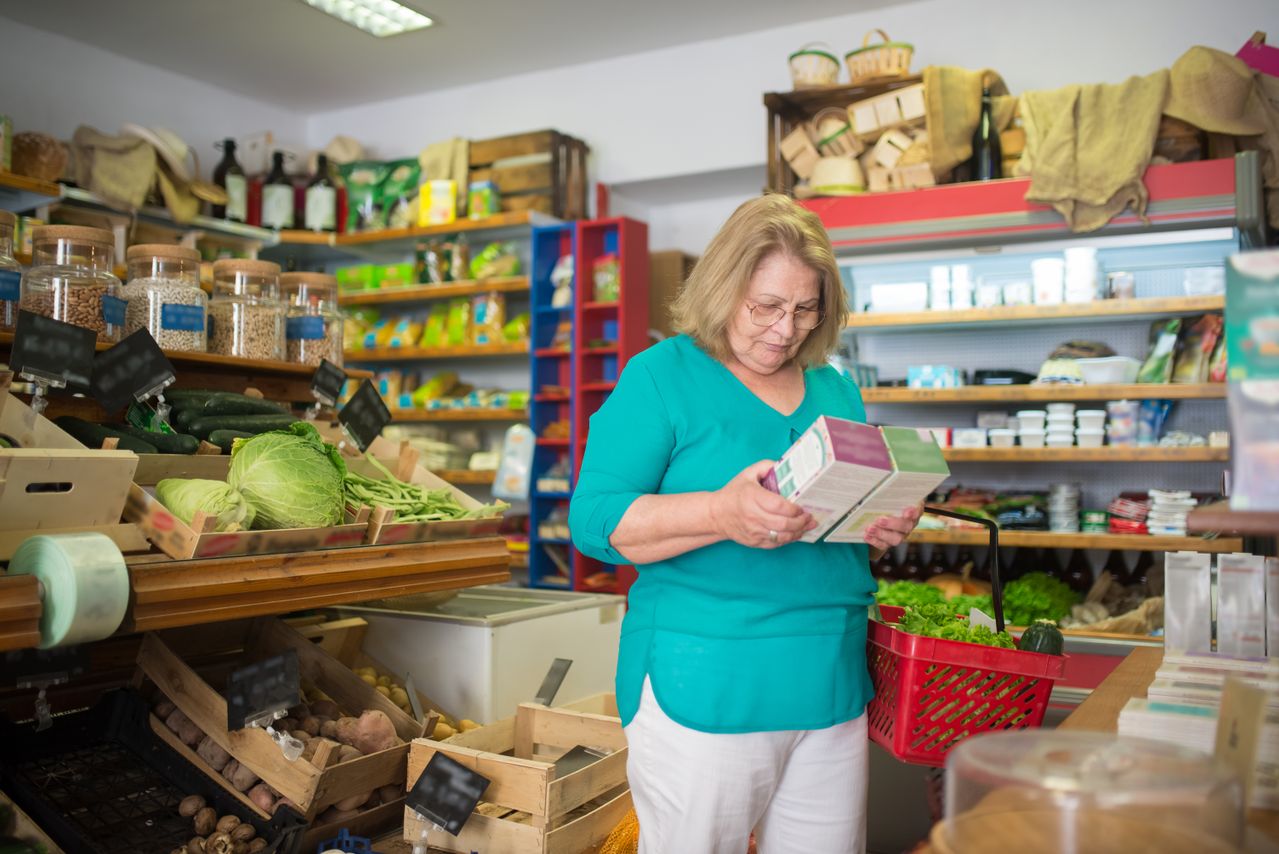
Perhaps the biggest takeaway is that today’s grocery list is becoming more intentional. Shoppers are asking questions about ingredients, production methods, nutrition, convenience, and sustainability before putting products into their carts. They may not always agree on what makes the perfect food system, but they clearly care more about making informed choices.
An organic grocery list can reveal a lot about modern food culture. It shows a growing interest in health, transparency, sustainability, convenience, and personal values. At the same time, it highlights how complicated food choices have become. People are not simply buying something to eat; they are increasingly thinking about where it …